Top Joint Health Support Strategies to Reduce Pain and Stiffness
When joints feel tight, sore, or slow to wake up, it is rarely just one thing. Pain and stiffness are often your body’s way of signaling overload, irritation, or limited lubrication inside the joint. I have seen how quickly people notice improvement when they stop treating joint pain like a mysterious flare and start using joint health support strategies that match what their body is actually doing day to day.
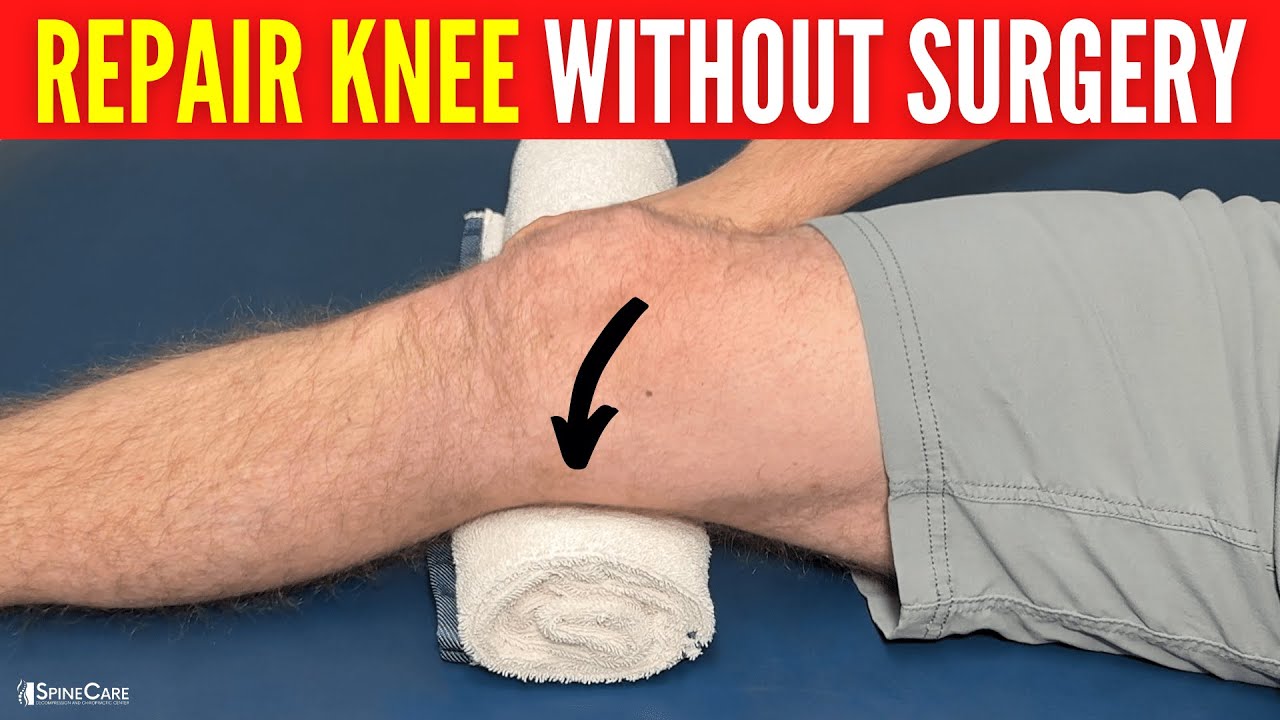
The goal is not to “push through” discomfort. The goal is to reduce strain, improve movement quality, and support the joint environment so stiffness has less of a chance to take over.
Start with the pattern: when does stiffness show up and what does it do?
The fastest way to choose an effective joint care strategy is to observe the timing and behavior of your symptoms. I have worked with people who describe everything from morning stiffness that lasts minutes to soreness that spikes after long periods of sitting. Those details matter, because they point you toward the right type of support.
Here are a few patterns that commonly guide joint health improvement tips:
- Morning stiffness that eases with gentle movement often responds well to mobility routines, heat, and consistent daily range of motion.
- Stiffness that builds after activity can suggest joints are getting loaded beyond what they can comfortably handle yet. In those cases, you benefit from pacing and strength work that targets joint stability.
- Pain that is sharp with a specific motion usually means you need to adjust mechanics and sometimes avoid that exact range for a bit while you retrain control.
- Swelling or warmth in the joint is a signal to be cautious. Support can still help, but you should prioritize medical guidance for safety.
A simple self-check I recommend is to track three things for a week: your stiffness rating in the morning (0 to 10), what activity makes it worse, and how long it takes to improve once you start moving. That small amount of information makes your joint support for pain relief much more targeted.
A quick note on red flags
If you have severe You can find out more swelling, sudden inability to bear weight, fever, or symptoms that are rapidly worsening, that is not a “try a routine” situation. Getting evaluated matters.
Build a daily mobility rhythm that reduces stiffness naturally
It is tempting to wait until you feel “looser” to start moving. The problem is that stiffness often keeps tightening the more time you spend still. Reduce joint stiffness naturally by using low-dose motion that respects irritated joints.
I like to think of this as joint “lubrication through movement.” You are not trying to work up a sweat. You are teaching the joint to glide through comfortable ranges and signaling the body that movement is safe.
Here is what that rhythm can look like, especially for hips, knees, hands, shoulders, and lower back stiffness:
- Heat first, movement second: If you tolerate it, apply warmth for about 5 to 10 minutes before mobility, especially in the morning.
- Joint-friendly range of motion: Use slow, controlled movements, staying at about 3 to 4 out of 10 discomfort or less.
- Micro-breaks: Every 30 to 60 minutes, do 30 to 60 seconds of gentle motion, even if it is just standing and shoulder rolls.
- End-range avoidance early on: If the last few degrees trigger pain, pause short of that range until symptoms calm.
- Breathe through the effort: Holding your breath increases muscle guarding and can make stiffness worse.
What I have seen work in real life
One person I worked with had knee stiffness that made it difficult to bend in the morning. Their “fix” was a steady routine of 2 to 3 gentle mobility sessions daily, paired with short walks after meals. The turning point was consistency, not intensity. Their joints never had to “prove themselves” with hard workouts before they became comfortable enough for more.
If you are unsure where to start, choose one or two movements that match the joint you are trying to support. Keep them simple, repeat them, and let your body respond. Over time, the range you can comfortably move tends to expand.
Strengthen the structures that stabilize the joint, not just the joint itself
Mobility helps you move. Strength helps you stay stable while you move. That combination is a cornerstone of joint health support, especially when stiffness shows up during daily tasks like climbing stairs, getting up from a chair, or lifting groceries.
What many people miss is that joint pain relief often comes from improving how the muscles around the joint control movement. Strong muscles act like scaffolding, reducing the stress transmitted through painful tissues.
Practical joint support for pain relief
Think of this as “support for the joint” rather than “training the joint.” For many people, the most helpful strength work includes:
1) Slow, controlled strength for the muscles around the painful area
For knee pain, that often means glutes and quadriceps work with good form. For hip discomfort, it frequently means hip stability. For hand stiffness, it can involve grip and finger mobility with light resistance.
2) Range-appropriate loading
If a movement hurts sharply, do not force it. Scale the exercise, reduce depth, or change the angle. The objective is to create a safe training stimulus.
3) Progress gradually
A common mistake is doing “everything” when the pain dips. Joint tissue can tolerate change, but it responds best when the increase is small and consistent.
A trade-off to respect
More training is not always better. If your stiffness ramps up the next morning after a workout, that may be a sign you did too much, too soon. Back off slightly, keep the routine, and let your symptoms settle before increasing load or repetitions.
Use smart recovery tools, including sleep and stress, to calm the pain cycle
Joint stiffness is not purely mechanical. Pain signals influence sleep quality, and poor sleep increases sensitivity to discomfort. Stress can also tighten muscles around the joint, which reinforces the “protective stiffness” loop.
You do not need complicated recovery routines to see benefits. You need the basics done consistently.
Recovery strategies that actually support the joint environment
Here are the most reliable joint care strategies I see people stick with:
- Sleep consistency: Aim for a steady sleep and wake time. When sleep is irregular, pain tends to feel louder the next day.
- Heat and gentle contrast: Heat before mobility can reduce morning stiffness. For some people, brief cool-down after activity helps settle irritation.
- Soft tissue care that stays gentle: Light mobility and careful self-massage can reduce guarding without turning into a “pain session.”
- Stress downshifts: Short breathing practices, a calm walk, or stretching that feels safe can reduce muscle tension around sore joints.
- Hydration and regular meals: This is not about miracle effects. It is about steady body function, so your tissues can recover and your nervous system can stay calmer.
If you notice that your stiffness spikes on high-stress days, treat it like a clue. You are not “failing” at joint health. Your system is responding to load, and recovery support helps it tolerate that load more effectively.
Refine daily habits that quietly affect joint pain and stiffness
Even the best exercise plan struggles if daily habits keep re-irritating the joint. This is where joint health improvement tips become practical: adjust the small things that control how much stress your joints experience across the day.
Start with two areas that tend to matter most: posture and load management.
Simple habit changes with outsized impact
- Spacing your activities: Instead of one long stretch of activity, try shorter bursts with brief pauses to reset joint comfort.
- Footwear and surface awareness: Hard surfaces and unsupportive shoes can increase impact. Choose stable, comfortable footwear and avoid uneven footing when joints feel flare-prone.
- Chair and workstation setup: For knee and hip stiffness, being stuck in one position can be a trigger. Adjust seat height if possible, and stand up periodically.
- Use assistive support when it helps: A cane or brace is not a last resort. It can reduce joint load during a flare, which can make movement easier and safer.
- Avoid “too much too soon” after rest: If you have been sitting still for hours, ease back into movement rather than jumping straight into stairs or heavy lifting.
The most effective joint support for pain relief is the kind you can maintain. You want changes that fit your day, not a plan that collapses after one bad morning.
Listening is part of the strategy
If a change reduces stiffness and makes your next day easier, that is a strong signal. If it increases pain sharply or makes the next morning worse, adjust. Joint care strategies are not about perfection. They are about learning what your joints are willing to tolerate right now, then building from there.
When you combine a consistent mobility rhythm, joint-stabilizing strength, thoughtful recovery, and daily habit tweaks, pain and stiffness often lose their grip. You still may have flare-prone days, but the pattern becomes more manageable, and your joints feel less like they are working against you.